

Barrier rails
Barrier rails create clear boundaries in the company’s traffic and work areas. They are used for reliable protection of access points, parking spaces, footpaths, areas with machinery or equipment vulnerable to damage and to clearly organise areas. Wherever vehicles manoeuvre, vehicles make deliveries or different groups of users work at the same time in particular, floor markings alone are often insufficient. A robust barrier rail makes the rules that apply within an area immediately apparent and helps staff, visitors and drivers correctly assess routes, distances and no-go areas. Depending on the location of use, barrier rails can protect, reserve, guide or keep areas permanently clear. It is important to ensure the right design, good visibility, robust materials and an installation type that is suitable for the actual requirements of use. At kaiserkraft, companies will find barrier rails for professional points of use that ensure an interplay between safety, organisation of areas and reliable everyday use.


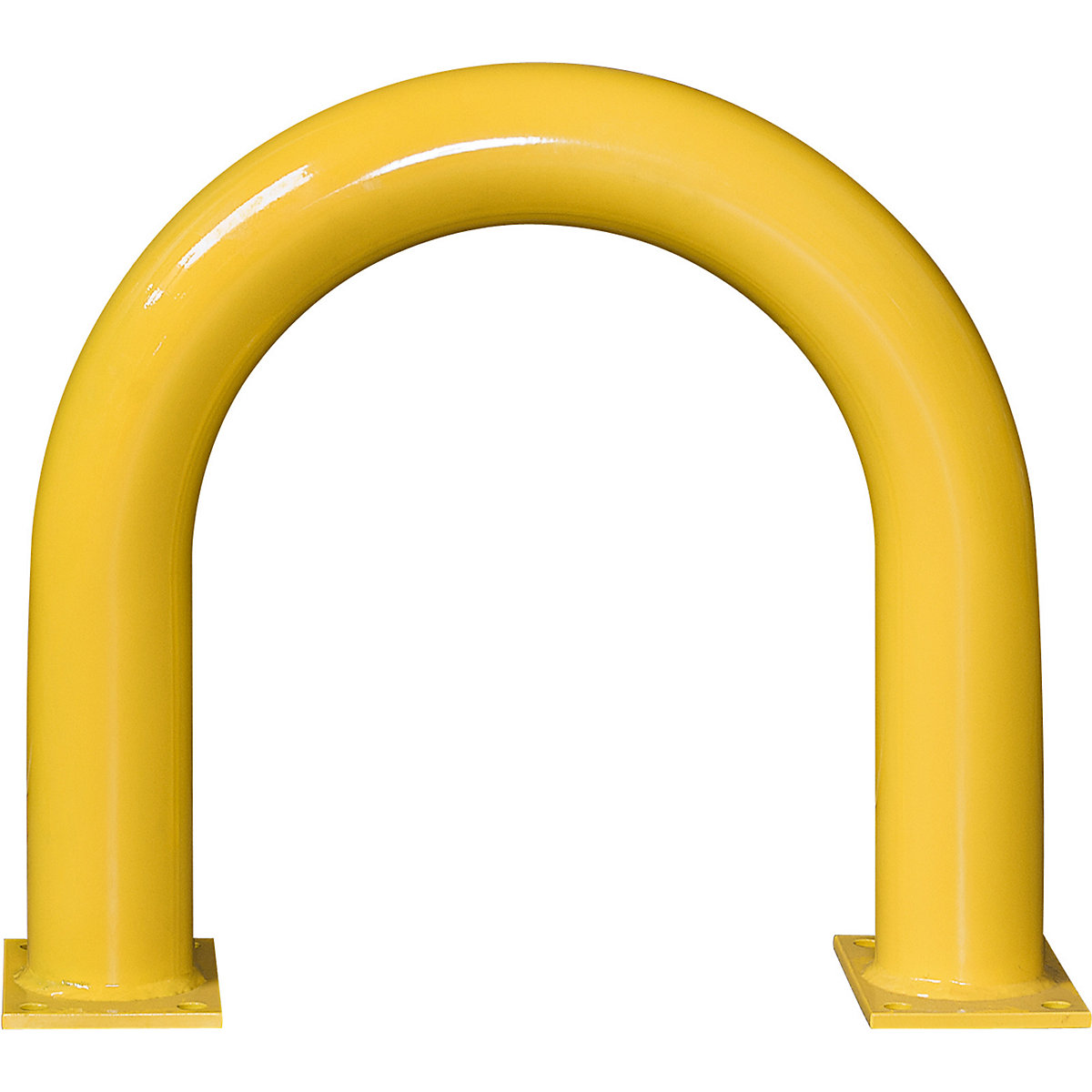


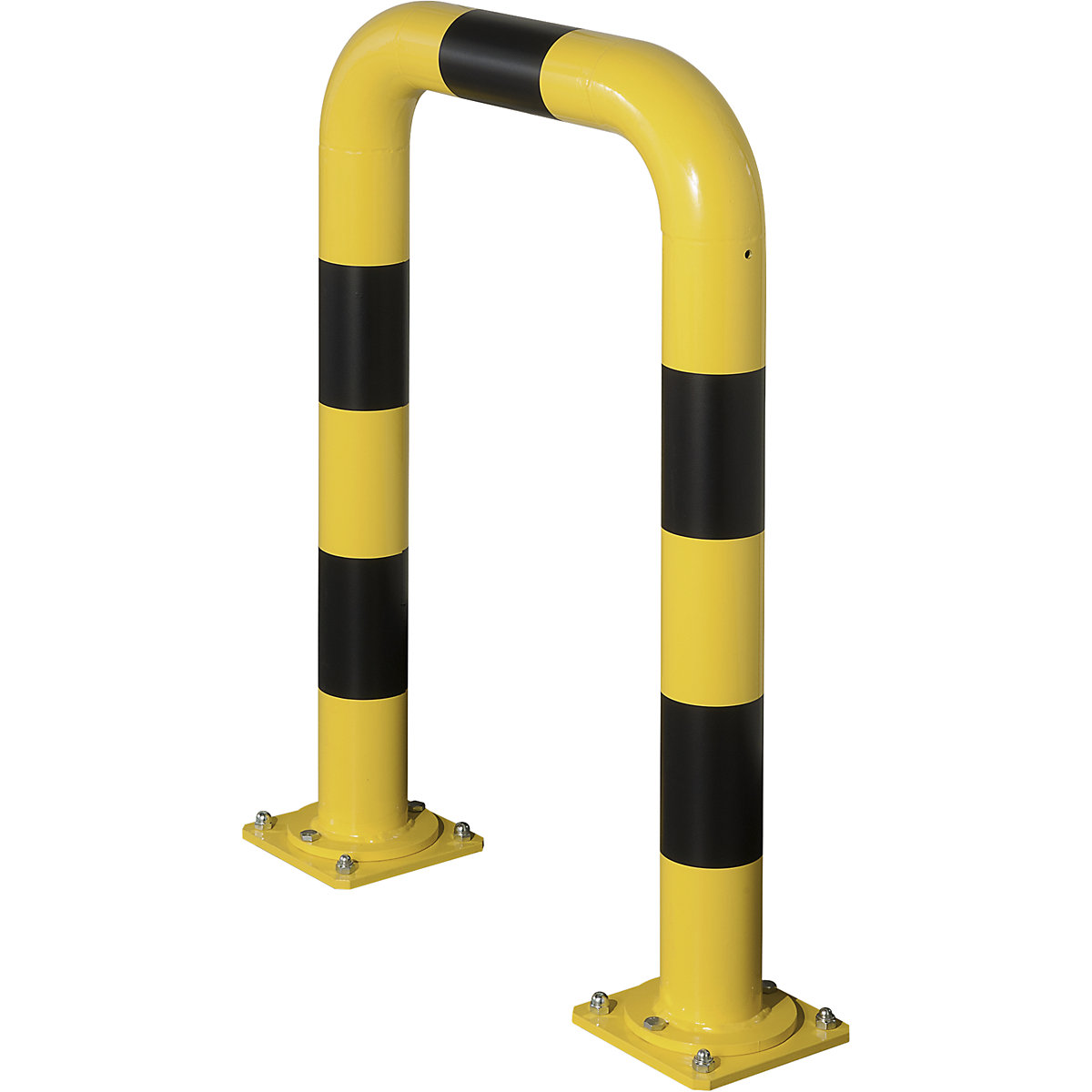
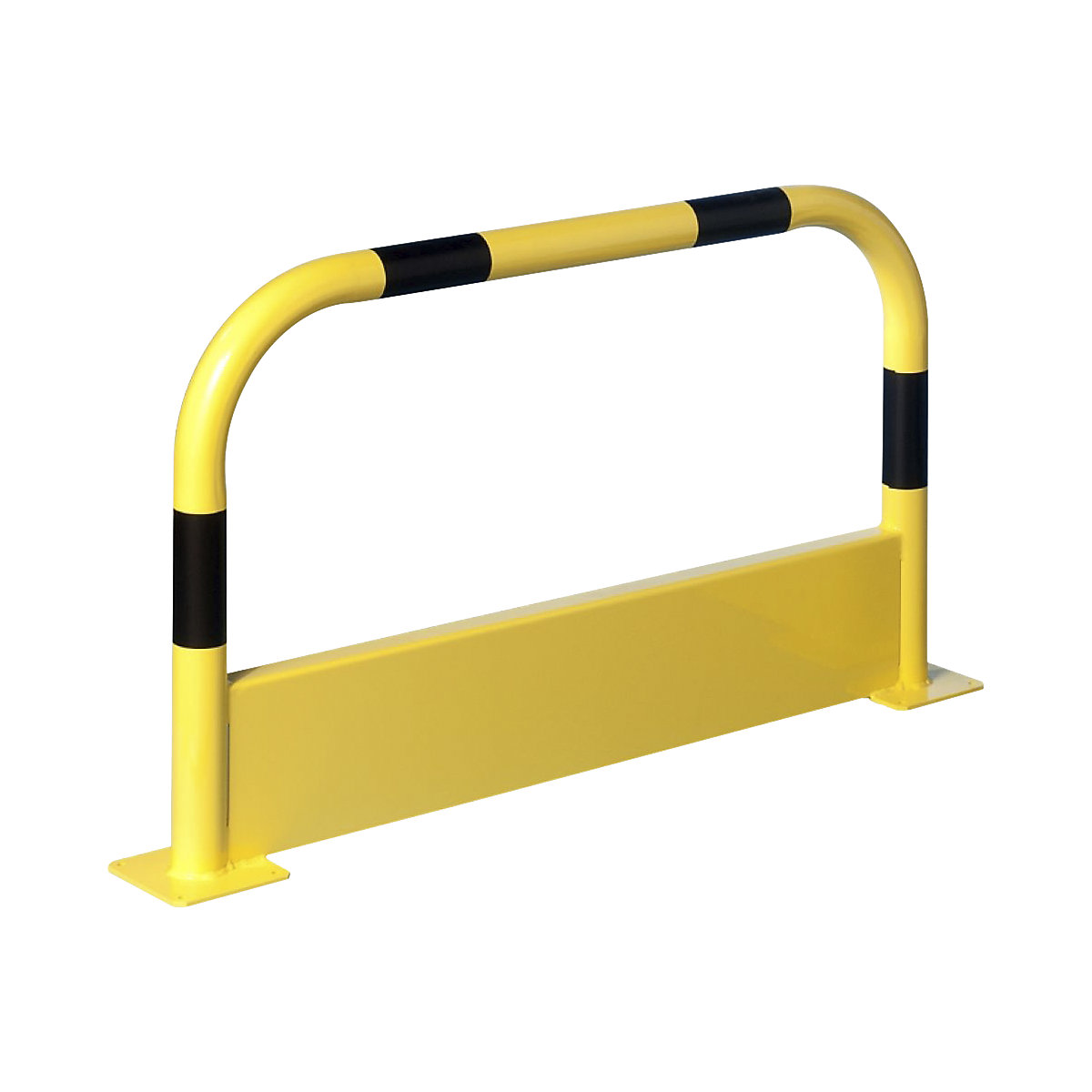



What are barrier rails used for in the company?
Barrier rails are suitable for many situations in the company that require clear demarcation of different areas. Barrier rails protect access points, car parks, areas around gates, corners of buildings, technical installations or routes that must not be obstructed. They are particularly useful in depots and warehouse environments, where they help improve the organisation of traffic areas. Physical barriers make rules easy to discern, and prevent vehicles or materials from inadvertently accessing, or being placed in, areas that must remain clear.
It is worth taking a close look at the entire workflow when preparing a practical evaluation: who uses the area, how often is the solution put to use, which routes come before and after the barriers, and where might everyday mistakes occur? In the B2B sector in particular, selecting the right product brings the most benefits when it not only solves a single task, but also helps establish planned routines.
Companies therefore benefit from selecting a product that factors in the speed at which work is done, safety, ease of use and long term practicality as a whole. This careful approach pays off in day to day operations, as it helps employees to identify more quickly which solution has been provided and how to use it correctly without delay.
How do barrier rails protect installations, buildings and traffic routes?
Effective traffic guidance requires clear signals. Barrier rails clearly indicate where vehicles should proceed, stop or not enter. They thereby minimise different interpretations that can quickly result in conflicts in high traffic areas. In combination with markings, signs and other barrier elements, they ensure a clearly defined structure that is easy to understand. For companies, this means a better overview of how company areas are used and less times spent on subsequent corrections.
What’s more, company requirements rarely remain unchanged. New processes, different types of vehicles, additional workplaces or changes to goods movements can result in a solution that is adequate today being utilised more heavily tomorrow. This is why the product selected should provide leeway. Selecting equipment that meets current requirements while also offering extra capacity for typical changes is recommended, without making the work area unnecessarily complicated.
It is also easier to estimate secondary costs when not only the purchase price, but also installation, maintenance, training and potential process interruptions are factored in.
Which model is suitable for which location of use?
The material and installation type determine how resilient and durable barrier rails are when put into use. In outdoor areas, robust surfaces and reliable corrosion protection are important, while mechanical loads must also be factored into high traffic areas. The installation type should be suitable for the respective surface and ensure that the rail provides a protective function. Careful product selection prevents barrier rails from losing their stability too soon due to impacts, weather or regular use.
The employees responsible for procurement and safety will also place value on a decision that allows systematic documentation. Dimensions, location of use, load, frequency of use and organisational requirements should be documented in advance. This makes it easier to compare different versions and to answer any queries that may arise later.
A clear basis for selection reduces the risk of purchasing unsuitable products and ensures that the solution selected finds acceptance within the company due to its suitability for the actual working conditions. An analysis like this also supports in-house coordination between procurement, health and safety, warehouse management and the teams who work with the solution on a daily basis.
How can barrier rails be integrated into a safety concept?
In car parks, barrier rails can help to keep parking spaces free, secure access points, or restrict access to certain areas to authorised users only. They are also suited to ensuring better protection for footpaths next to parking areas or for clearly demarcating sensitive peripheral areas. It is important that they provide sufficient manoeuvring space and remain clearly visible to drivers once installed. This allows barrier rails to combine practical protection for areas with well organised use of the available space.
Following purchase, integration plays an important role in determining the benefits. Employees must be able to identify what the solution is intended for, how it is used correctly and what its limitations are. Providing a briefing, and defining clear responsibilities and regular visual inspections help ensure that the solution functions effectively in the long term. This makes the investment more than just an individual product; it becomes part of a dependable company standard. The more exactly these points are defined in advance, the lower the risk that makeshift additions will be needed later on or that the solution will be circumvented in everyday use.
Do you have any questions about our barrier rails? Contact us now and receive personalised advice from kaiserkraft!
Frequently asked questions about barrier rails
What is a barrier rail?
A barrier rail is a sturdy barrier element that is used to demarcate areas, protect them or keep areas clear for specific uses. It is frequently used in car parks, in traffic areas or in front building sections. It provides a visible and robust spatial boundary in the company.
Where are barrier rails typically installed?
Barrier rails are typically installed in front of walls, gates, technical installations, parking spaces, traffic routes or areas for machinery. They help prevent damage due to collisions and organise areas clearly. They are particularly useful in places where vehicles are regularly manoeuvred or parked.
What are the advantages of folding barrier rails?
Folding barrier rails provide flexibility, as they be used to close off or open up areas as required. This is useful for reserved parking spaces, temporary use of access points, or changing company requirements. They combine controlled accessibility with a clear barrier effect.
Are barrier rails suitable for outdoor areas?
Yes, many barrier rails are suitable for outdoor areas, provided that the material and surface finish are designed to withstand the weather and frequent use. Sturdy installation and clear visibility are important. This ensures that the barrier rail remains easy to identify and reliable to use even in changing conditions.
How do barrier rails differ from crash protection?
Barrier rails are primarily used for demarcation and management of areas, while crash protection may be specifically designed to absorb or reduce the impact of collisions. Depending on the location of use, these functions may overlap. The decisive factor is whether the primary focus is on orientation, demarcation or intensive asset protection.
What is important to note when making a choice?
When making a choice, factors such as the location of use, the required barrier effect, visibility, dimensions, installation and ease of use matter most. It is also important to consider whether the area is to be secured permanently or variably. A suitable barrier rail should be suitable for the actual traffic volume and how the area is used.
How do barrier rails improve traffic guidance?
Barrier rails improve traffic guidance by making boundaries visible and defining traffic routes more clearly. They help separate parking or manoeuvring areas from sensitive zones. This provides better orientation for employees, visitors and delivery vehicles.
Can barrier rails be combined with markings?
Yes, barrier rails are highly suitable for combination with floor markings, signs or other barrier elements. Markings indicate or reinforce the function of the rail. Together, they create a more easily comprehensible safety and guidance system for company areas.
These products may also be of interest to you:
Parking rails, barrier posts | Bollards, safety barriers | System railings | Mobile barriers