

Column protection
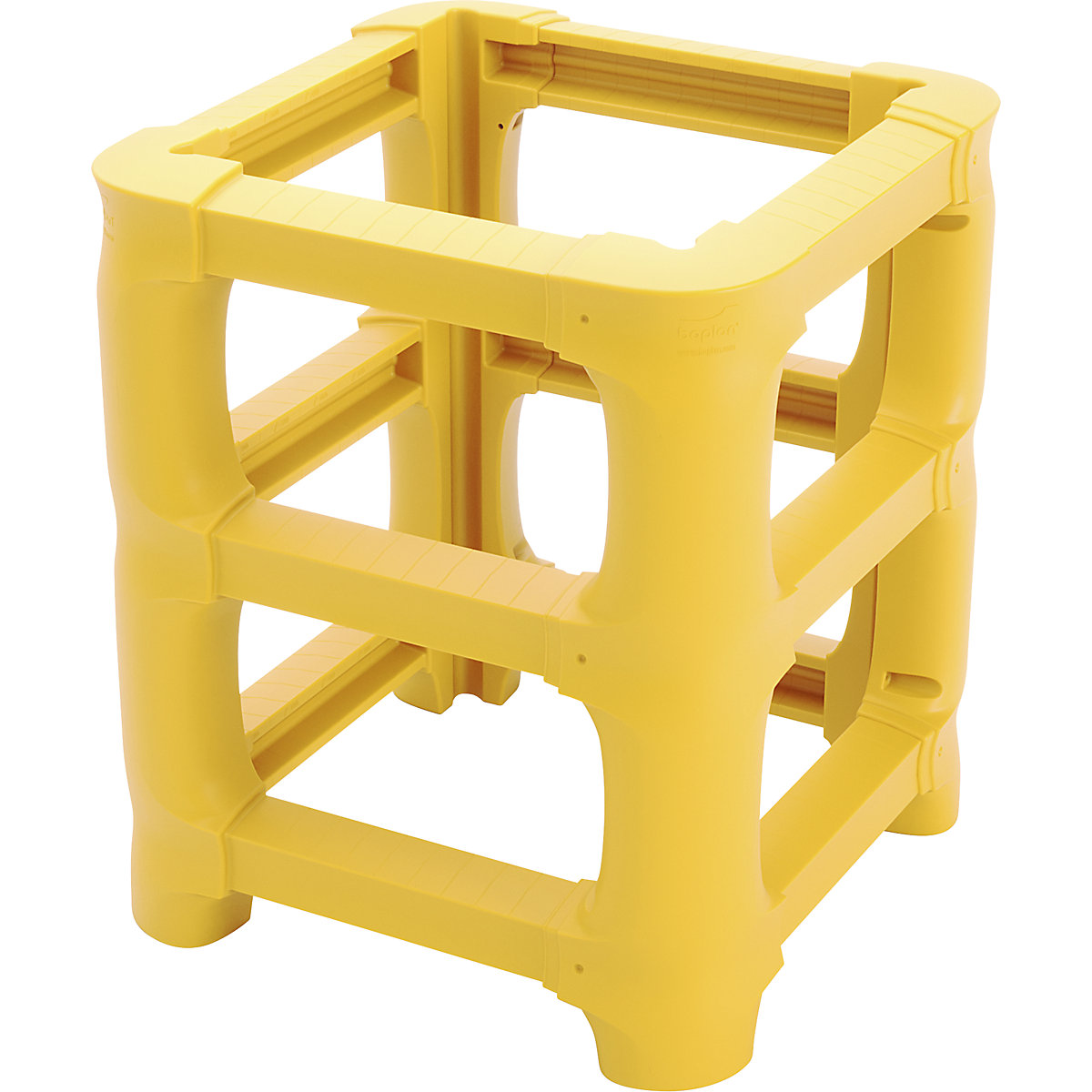
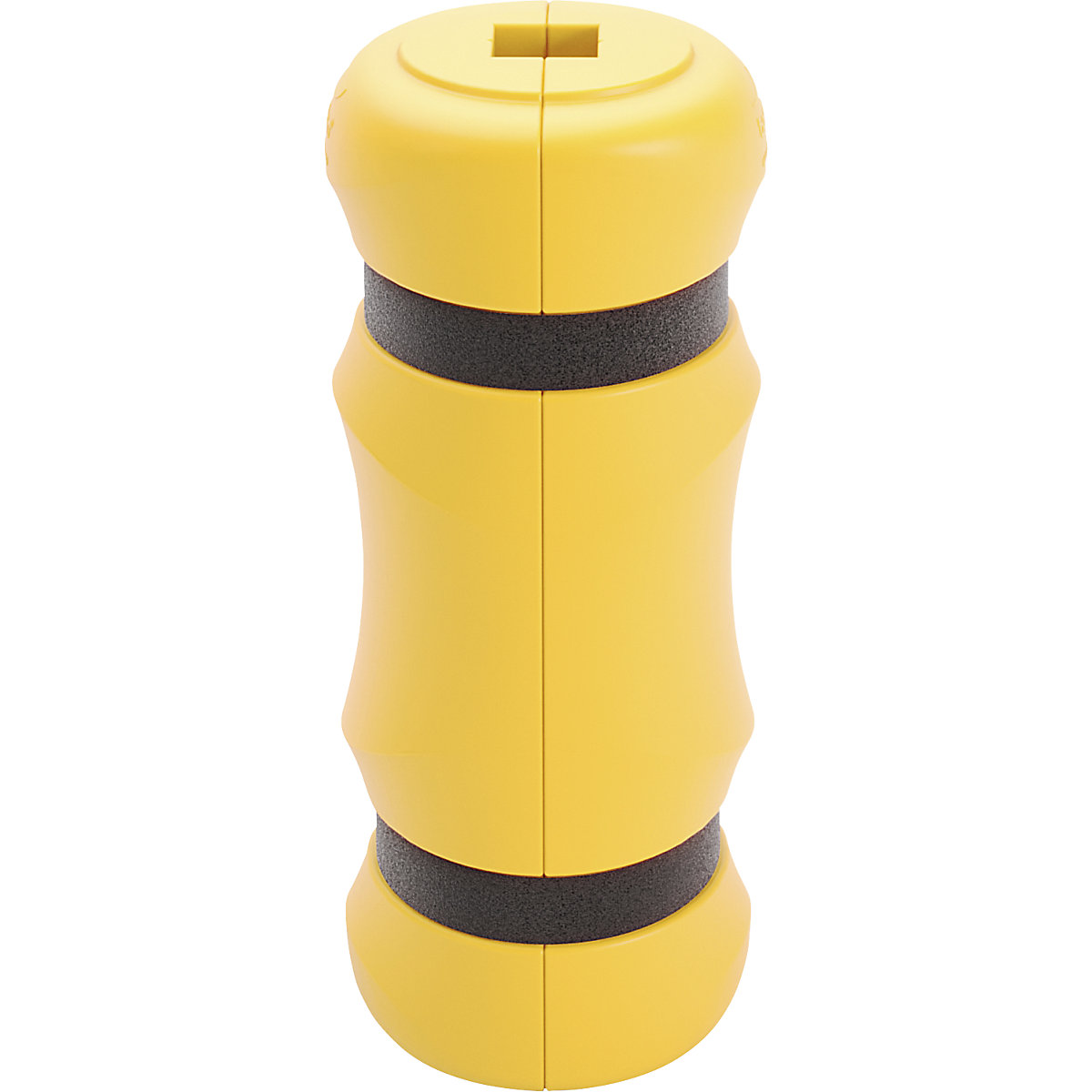
Column protection provides load bearing uprights, factory columns and sensitive structural elements with protection from impact damage caused by stackers, pallet trucks, transport equipment or other vehicles. In warehouses, production areas and logistics zones, traffic routes often run close to structural elements, meaning that even minor manoeuvring errors can result in high repair costs or safety risks. Highly visible column protection makes vulnerable points easier to spot earlier and provides an additional layer of protection between the vehicle and the building structure. This is particularly important when loads are being transported, sightlines are obstructed or different users move around the area. Key factors to consider when making a selection include the shape of the column, its dimensions, the material used, its load bearing capacity and its integration into existing traffic routes. At kaiserkraft, companies will find column protection solutions for warehouses, workshops and the company that combine robust protection, high visibility markings and an area organisation that suits operations.







Why is column protection important in warehouse areas?
Warehouse areas are where narrow aisles, high handling volumes and heavy loads all converge. Stackers and other transport equipment often move around close to columns, shelving units or gates, which mean that even minor manoeuvring errors can result in damage. Column protection creates an additional buffer zone and makes vulnerable points clearly visible. While collisions cannot be ruled out altogether, column protection can decrease the severity of the consequences. For companies, this makes an important contribution to building protection and operational safety.
It is worth taking a close look at the entire workflow when preparing a practical evaluation: who uses the area, how often is the solution put to use, which routes come before and after the barriers, and where might everyday mistakes occur? In the B2B sector in particular, one product category brings the most benefits when it not only solves a single task, but also helps establish planned routines.
Companies therefore benefit from selecting a product that factors in the speed at which work is done, safety, ease of use and long term practicality as a whole. This careful approach pays off in day to day operations, as it helps employees to identify more quickly which solution has been provided and how to use it correctly without delay.
How does column protection provide orientation on traffic routes?
Highly visible column protection improves visual guidance within factories and work areas. Drivers spot uprights susceptible to damage earlier, and can consciously change their routes to avoid them. This visibility is particularly important in areas with changing employees, contractors or high volumes of goods. Colour contrasts and robust protective structures help ensure that structural obstacles are identified before it is too late. Column protection thereby makes an contribution to smoother, better planned mobility within the company.
What’s more, company requirements rarely remain unchanged. New processes, different types of vehicles, additional workplaces or changes to goods movements can result in a solution that is adequate today being utilised more heavily tomorrow. This is why the product selected should provide leeway. Selecting equipment that meets current requirements while also offering extra capacity for typical changes is recommended, without making the work area unnecessarily complicated.
It is also easier to estimate secondary costs when not only the purchase price, but also installation, maintenance, training and potential process interruptions are factored in.
What matters most when it comes to shape, material and a precise fit?
Column protection must be suitable for the shape and size of the upright they are supposed to protect. Round, square or differently dimensioned columns place different demands on the protection and its installation. The material and load bearing capacity are also important, as the protection is designed to absorb energy and shield the column as effectively as possible in the event of an accident. A precisely tailored solution prevents unnecessary gaps, helps with precise installation and ensures that the protection does not get in the way of everyday operations.
The employees responsible for procurement and safety will also place value on a decision that allows systematic documentation. Dimensions, location of use, load, frequency of use and organisational requirements should be documented in advance. This makes it easier to compare different versions and to answer any queries that may arise later.
A clear basis for selection reduces the risk of purchasing unsuitable products and ensures that the solution selected finds acceptance within the company due to its suitability for the actual working conditions. An analysis like this also supports in-house coordination between procurement, health and safety, warehouse management and the teams who work with the solution on a daily basis.
How can column protection be integrated into a safety concept?
Column protection is particularly effective when it is combined with other measures. These include marked traffic routes, clear speed limits, crash protection on shelving units, training and a well organised warehouse layout. Companies should systematically analyse high risk areas and prioritise protective measures wherever vehicles regularly pass close to load bearing structures. This makes column protection an integral part of proactive safety planning, rather than a retrofit measure after damage has occurred.
Following purchase, integration plays an important role in determining the benefits. Employees must be able to identify what the solution is intended for, how it is used correctly and what its limitations are. Providing a briefing, and defining clear responsibilities and regular visual inspections help ensure that the solution functions effectively in the long term. This makes the investment more than just an individual product; it becomes part of a dependable company standard. The more exactly these points are defined in advance, the lower the risk that makeshift additions will be needed later on or that the solution will be circumvented in everyday use.
Do you have any questions about our column protection? Contact us now and receive personalised advice from kaiserkraft!
Frequently asked questions about column protection
What is column protection?
Column protection is a protective solution for uprights, pillars and factory hall columns. It is designed to make structural elements that are susceptible to damage more visible and to protect them from the consequences of collisions. In warehouse and production areas in particular, it helps better safeguard structural elements in high traffic areas.
Where is column protection normally used?
Column protection is used in warehouses, production areas, parking areas, loading bays and traffic routes. Protection is recommended wherever vehicles or forklift trucks pass close to columns. The decisive factor is whether columns are at risk or difficult to identify when work is being done.
What sort of damage can column protection prevent?
Column protection solutions can help prevent or minimise immediate damage to columns, pillars or adjacent structural elements. They can also protect vehicles from hard impacts with parts of the building. This helps reduce repair costs and improve company safety.
What is important to note when making a choice?
When making a choice, the shape of the column, its dimensions, traffic volume, potential impact forces and visibility should be factored in. The method of installation and the material are also important. Suitable column protection should be appropriate for the actual loads it will be subjected to and the existing layout of the area.
Is column protection only relevant for areas in which stackers operate?
No, column protection solutions are not just relevant to areas in which stackers operate. Pallet trucks, transport trolleys, delivery vehicles and vehicle manoeuvres can also present a risk to columns. Wherever loads are moved and manoeuvred close to load bearing elements, additional protection is advisable.
How do column protection solutions improve visibility?
Many column protection solutions are designed in striking colours or positioned to ensure columns in traffic areas are spotted sooner. This helps drivers judge distances more accurately. The visual effect encourages drivers to take preventative action before a potential collision.
Can column protection be retrofitted?
Column protection can be installed retroactively if traffic routes change or risks become apparent. It is important to ensure it is securely installed and positioned correctly in relation to the column. This enables companies to retrofit existing areas systematically and improve safety.
How does column protection complement other protective systems?
Column protection complements other safety systems such as crash protection, barrier rails, floor markings and access barriers. Together, these elements help organise traffic routes and make areas susceptible to damage more visible. This creates a comprehensive protective concept for warehouses, production and traffic areas.
These products may also be of interest to you:
Crash protection | Barriers and markings | Bollards, safety barriers | Edge protection profiles